
| Toronto’s October 2025 real estate market was softer than a year ago. Home sales declined by 6%, and prices fell across both the freehold and condominium segments. This downturn comes as little surprise, given that the market experienced a budding recovery in fall 2024, when confidence was returning amid pent-up demand and easing interest rates. From September 2024 until the US presidential election in mid-November, momentum had been building—until the President-Elect announced plans to impose tariffs on Canada. Those policy signals quickly cooled sentiment and effectively extinguished the recovery. (Spoiler alert: November 2025 results will also likely underperform last year’s.) Meanwhile, properties are taking longer to sell as consumer confidence wanes amid broader economic uncertainty.  October recorded 2,351 sales which were the most in 2025 and brought the months of inventory (MOI) down from a high of 5.4 months in the summer to 4.4 months. MOI for freehold properties sits at 3.4 months compared to over 5 months for condominiums. Over the past 10 years, MOI would routinely be under 2 months. The sales-to-new listings ratio infers whether buyers or sellers hold the power. At just over 43% for freeholds, market power tips in favour of buyers while this ratio for condos is under 36% which heavily favours buyers. I’m often asked, “How’s the market?” If it’s just small talk, the short answer might be “sluggish” when activity is slow or “strong” when it’s brisk. But because Toronto’s resale market is largely divided between freehold and condominium segments, a more useful question is: “How’s the freehold market?” or “How’s the condo market?”—as these segments often move at different speeds and occasionally in opposite directions. I like to track the average price gap between freeholds and condos as an indicator of where prices may trend next. Historically, that gap tends to revert to around $600,000. |
 |
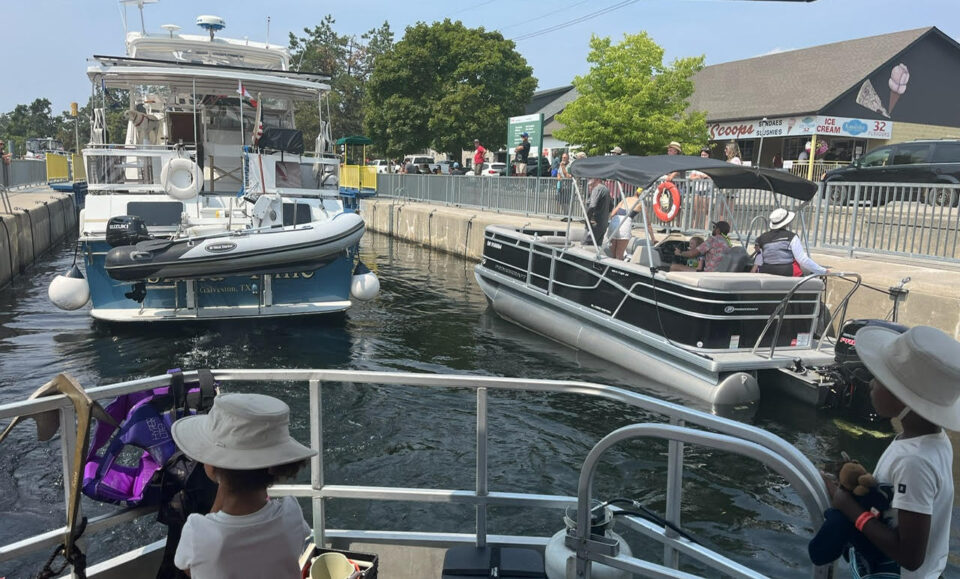
| For example, before the pandemic—when the Landlord and Tenant Board (LTB) operated more efficiently and hearings occurred within roughly 3 months—end users and investors were actively buying condos. As a result, condo prices rose faster than freehold prices, narrowing the gap to $394,000 in 2019. When COVID-19 hit, preferences shifted sharply toward space and backyards, sending freehold demand soaring. The price gap peaked at over $703,000 in 2023. Comparing October 2025 to the five-year average (2021–2025) shows a notable divergence: the current price gap between freehold and condo prices is ~$507,000 which is well below the October five-year trend. This suggests that if interest rates continue to fall and consumer confidence improves, freehold values may strengthen relative to condominiums in the coming months as the market seeks balance. In short, while Toronto’s housing market is moving through a period of recalibration, opportunities are emerging for buyers particularly in freehold properties. In short, while Toronto’s housing market is moving through a period of recalibration, opportunities are emerging for buyers particularly in freehold properties. Shen Shoots The Breeze We had the opportunity to do a lot more traveling this past summer. In addition to our trip to Newfoundland, we decided to discover more of what Ontario has to offer — after all, the license plate motto is “Yours to Discover.” In August, we embarked on a houseboat trip with our friends and their three kids, navigating through the locks of the Trent–Severn Waterway. I’ll admit, I was pretty nervous about driving a 40-foot boat, especially since the largest one I’d handled before was barely half that size. We were all excited, but also a little anxious about sleeping in one big shared space — after all, we’re no longer in our twenties, and “go with the flow” has taken on a very different meaning. If you’re thinking about trying this next summer, here are a few tips: There are several houseboat companies along the Trent–Severn; do your research. We went with Egan Houseboats — their customer service was great, though the sleeping quarters were on the basic side. – Pack light — storage space is limited. – Bring mosquito repellent. Evening hangouts on deck attract plenty of uninvited guests. – Houseboats move slowly (we averaged just over 10 km/h), so don’t expect to make it through every lock. – You don’t need to overpack on groceries — most locks are near towns with supermarkets and restaurants – Not all comfort stations have showers, so be prepared to use the lake as your backup plan. – Docking spots by the locks fill up quickly; aim to arrive early. By mid-afternoon, most were already taken for the evening. – When entering the locks, assign everyone a role. It can get tense steering a big boat into a narrow space — the lockmasters are great, but having an audience of curious onlookers doesn’t exactly help! In the end, I’m really glad we did it. If you treat houseboating like camping on water, your expectations will be perfectly met. Dave, on the other hand, was picturing more of a cottage on water experience — and, let’s just say, he suffered a bit more than the rest of us. Next time, I might spring for a slightly more upscale boat with a private room and bathroom. But to the Peet family — here’s to our next adventure together! |